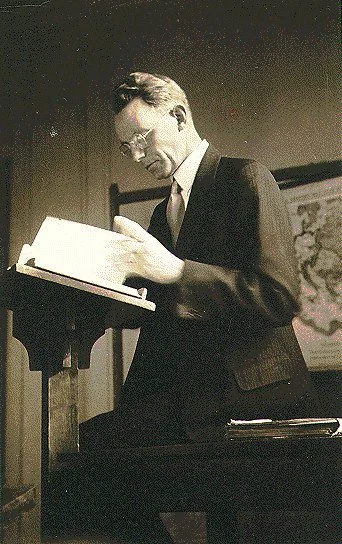
Banshen and Van Til: The Need For Common Ground
In Van Til’s Apologetic, Greg Bahnsen argues that Christians and non-Christians reason from fundamentally different starting points and final authorities. But does appealing to Scripture solve the problem of interpretation? This essay examines Van Til and Bahnsen’s account of knowledge and argues for a stronger understanding of the common rational ground shared by all human beings.

The Fall of Man in Milton’s Paradise Lost
In Book IX of Paradise Lost, Milton shows that the Fall is about more than disobedience. Sin begins by losing sight of the difference between the eternal Creator and the finite creature, and that disorder quickly spreads into human relationships, shame, and blame.
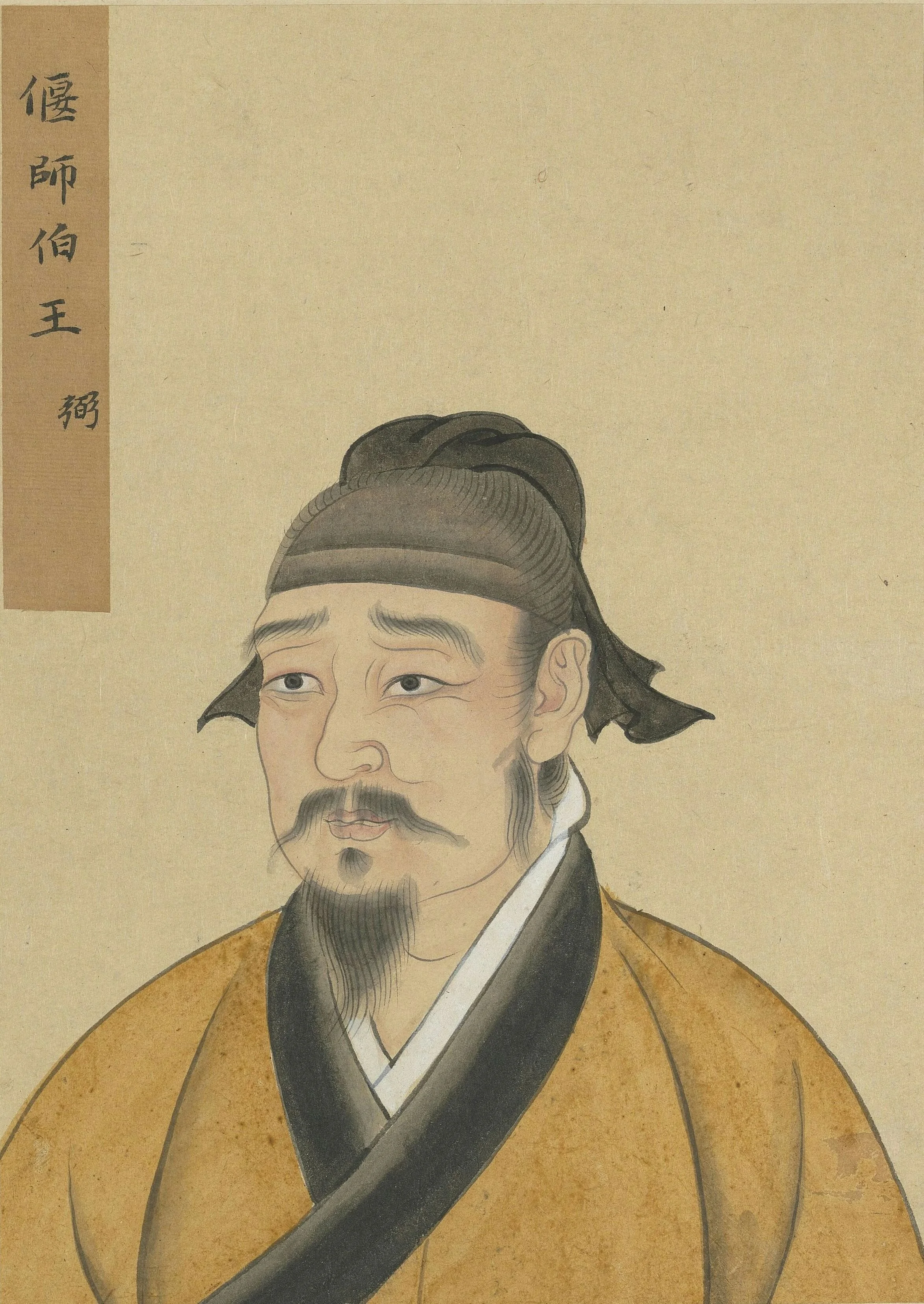
Finding Meaning After the World Falls Apart
Wang Bi was born just six years after the Han dynasty fell. Living through another period of Chinese disintegration, he returned to Lao-tzu for answers. His example raises an important question: How can we return to the roots of what we believe without merely repeating the past?

How Disintegration Begins
Civilizations often begin to disintegrate long before they collapse. The later Han dynasty shows what can happen when people lose confidence in the beliefs and relationships that once held their world together. Something similar can happen in our own lives.
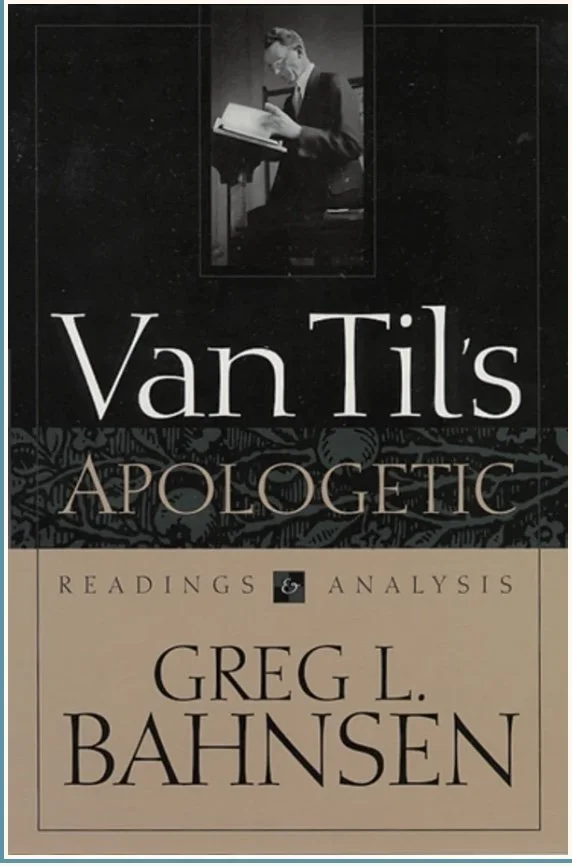
Bahnsen and Van Til: Arguing from Absurdity
Van Til argued that the Christian worldview provides the necessary foundation for logic, knowledge, and meaningful thought. But his argument may stop short of explaining precisely why: if reason itself is grounded in the divine Word—the Logos described in John 1—then the Christian claim about the impossibility of the contrary gains a much stronger philosophical foundation.
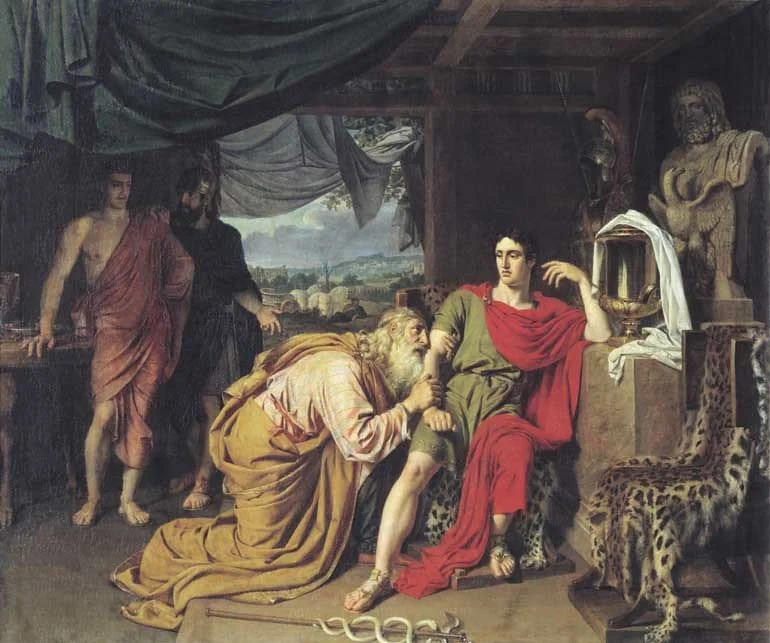
My Take on Nolan’s Odyssey
Why I liked Nolan’s version of Odysseus. Because it captured Homer’s overall depiction of the world .
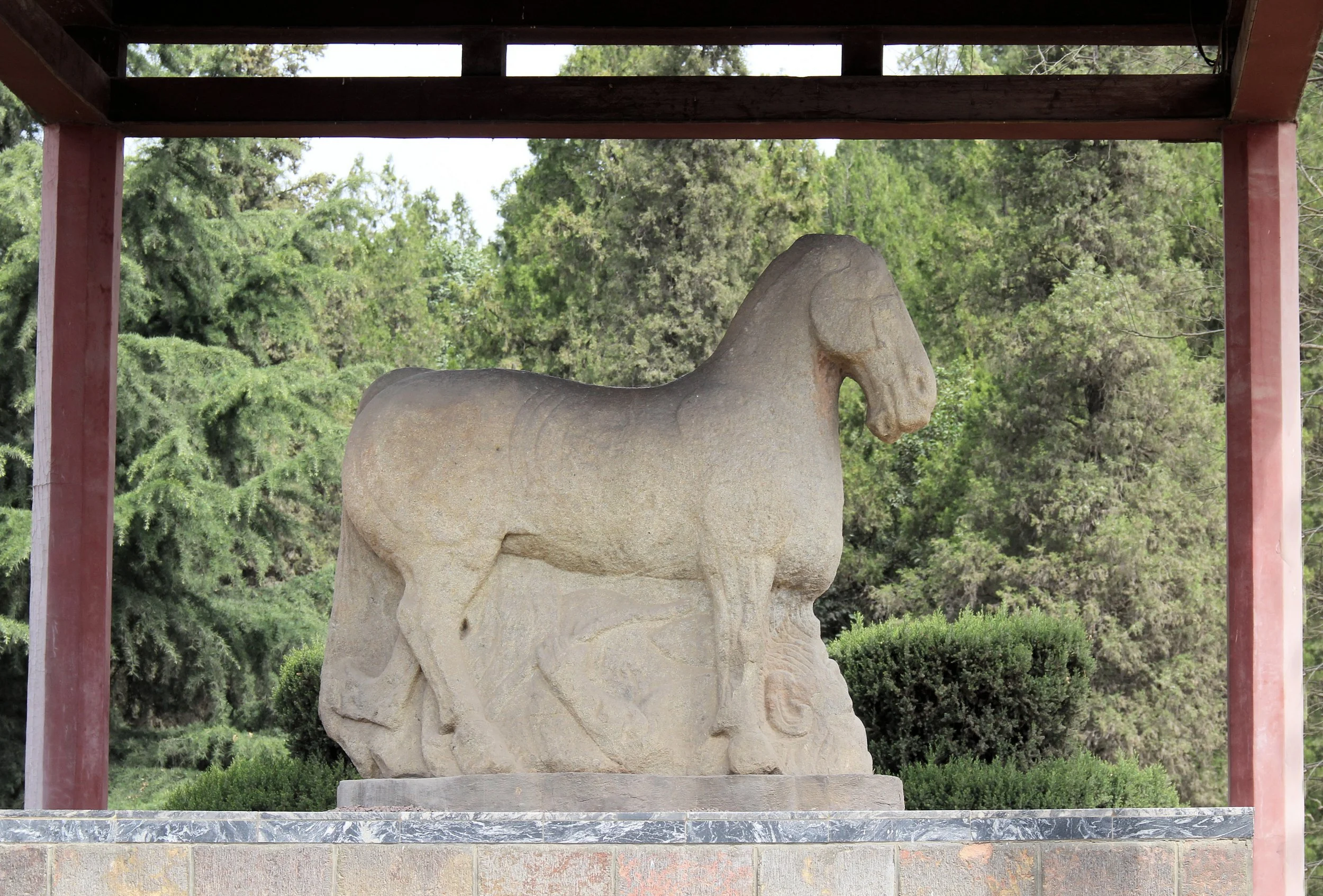
Yesterday's Answer Is Not Enough
The Han dynasty brought stability after centuries of disorder. But Toynbee recognized a danger in every successful response: yesterday's solution can become inadequate when tomorrow's challenge arrives. The same pattern appears in individual lives.

When the World Stops Making Sense
Ancient China's Warring States Period was a time of extraordinary violence—and extraordinary intellectual creativity. Toynbee's idea of challenge and response helps explain why periods when the world stops making sense can sometimes produce new ways of understanding it.

Artificial Longevity
Civilizations can survive long after the creative life that made them great has begun to disappear. Ancient Athens offers a picture of this “artificial longevity”—and a warning about what happens when civilizations, and individuals, stop responding creatively to the challenges before them.

When Is a Civilization Really Dying? Gibbon and Toynbee on the Fall of Rome
What does it really mean for a civilization—or a person or relationship—to be alive and healthy? Arnold Toynbee’s interpretation of the fall of Rome challenges us to look beyond outward signs of strength and consider the deeper sources of growth, creativity, and renewal.

What Is Admirable About Harry in The Steppenwolf?
Harry Haller of The Steppenwolf is often remembered for his despair, but his struggle was not meaningless. He embodies what Nietzsche described in the “Three Metamorphoses”—the camel who bears the heaviest burdens of truth, the lion who rebels against illusions and inherited moralities, and the child who alone can create what is new. Harry’s conflict reflects the deeper crisis of German intellectual life leading up to the First World War, a culture torn between idealism, nationalism, skepticism, and spiritual hunger. His divided self—human and wolfish—reveals the failure of bourgeois half-measures and the longing for authentic truth. Harry’s tragedy is that he came close to understanding himself but never broke through.

Einstein, Schrödinger, and the Cost of Closing Our Minds
Einstein’s “miracle year” wasn’t an accident—it was the result of deep curiosity and a refusal to settle for shallow explanations. His imagination helped launch quantum physics, but later he and Schrödinger found themselves resisting the Copenhagen School’s push to stop asking deeper questions. Their debate wasn’t about math—it was about whether science should keep seeking understanding or declare certain questions off-limits. This post explores why interpretation matters, how philosophical assumptions shaped early quantum theory, and what Einstein’s teachable posture can show us about curiosity, humility, and growth in our own lives.

The Tarantulas and the Coming of World War I
Nietzsche’s picture of the “tarantulas”—poisonous spiders fueled by resentment and envy—offers a powerful lens for understanding the spiritual crisis in German culture before World War I. What he saw in the academy and in the moral language of his time became a cultural mood: praise that concealed a sting, ideals that hid the desire to wound, and an intellectual life hollowed out by envy. The same inward crisis appears in Harry’s divided soul and in the German longing for unity that helped propel Europe into catastrophe.