
Three Key Areas I Focus on in Marriage Counseling
In my work with couples and individuals struggling through difficult marriages, I focus on three key areas: trusting each other's character, addressing past hurts, and learning to resolve differences. These three areas are closely connected and essential to building a healthier marriage.

LOUA: Working Through Avoidance in EMDR Therapy
Sometimes EMDR therapy stalls because a client cannot access the feelings or memories that need processing. Jim Knipe's Levels of Urge to Avoid (LOUA) technique helps therapists work directly with the psychological defenses that prevent healing.
The Four Horsemen of Marriage
John Gottman identified four destructive patterns of communication that can seriously damage a marriage: criticism, defensiveness, contempt, and stonewalling. Learn how to recognize these patterns and replace them with healthier ways of relating to your spouse.

Seeing Our Parents Through a Different Perspective
One thing that can help us overcome the hurts of our past is learning to see things from our parents' perspective. Did they intend to hurt us, or were they struggling with problems of their own, often unaware of how they were affecting us?

The Need to Trust Your Spouse's Character
A healthy marriage requires a basic trust in your spouse's character. Without that trust, disagreements, criticism, and even attempts to explain oneself can be interpreted negatively, making healthy communication nearly impossible.

What Is a Narcissist? Five Essential Features
Narcissism involves more than arrogance or selfishness. Five interconnected features help explain the narcissist's fragile sense of self, need for superiority, relationships with others, lack of empathy, and difficulty receiving criticism.
Getting Stuck
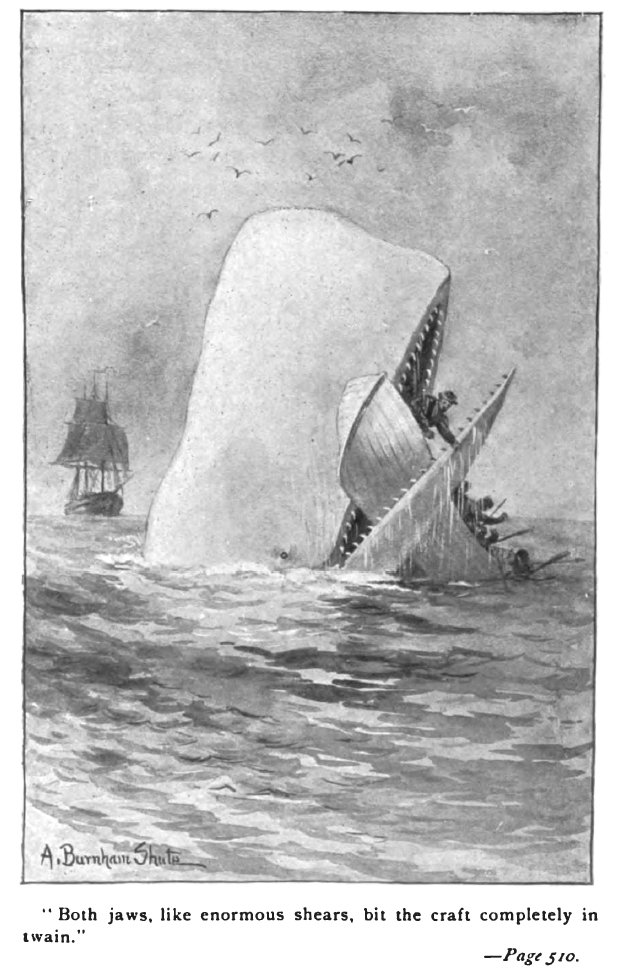
Why do we get stuck in the same patterns even when we can see that they are hurting us? Paradise Lost and Moby-Dickgive us striking pictures of people who recognize the path they are on but cannot seem to leave it. Scripture points us beyond insight alone toward something deeper: pursuing the fullness of life in Christ.

Gentle Start Ups
How we begin a difficult conversation often shapes where it goes. A gentle startup allows us to address real problems clearly without beginning with criticism, blame, or an unnecessary attack.

Repair Attempts
A conflict does not have to ruin the rest of the evening. Learning to make and recognize repair attempts can help couples reconnect even when an issue still needs to be discussed later.

Beyond the DSM: Understanding Borderline Personality Disorder
The DSM gives us criteria for diagnosing Borderline Personality Disorder, but a diagnosis is not the same as understanding. This article looks beyond the checklist to explore the patterns of self-worth, connection, emotional instability, impulsivity, and relationships that help make sense of BPD.

Psalm 27: Fear, Abandonment, and the God Who Receives Us
Psalm 27 speaks to some of our deepest fears—the fear of danger, rejection, loneliness, and abandonment. David shows how remembering God’s faithfulness and earnestly seeking him can sustain us when fear threatens to overwhelm us.

Only Love Can Hurt Like This
Couples usually come to counseling after months or years of repeating the same painful conflicts. But when they pause and remember how they met, something can quickly change. Recalling the story of their relationship can help lower defenses, restore warmth, and make it easier to understand the person they fell in love with.
Going Deeper with the Speaker-Listener Technique
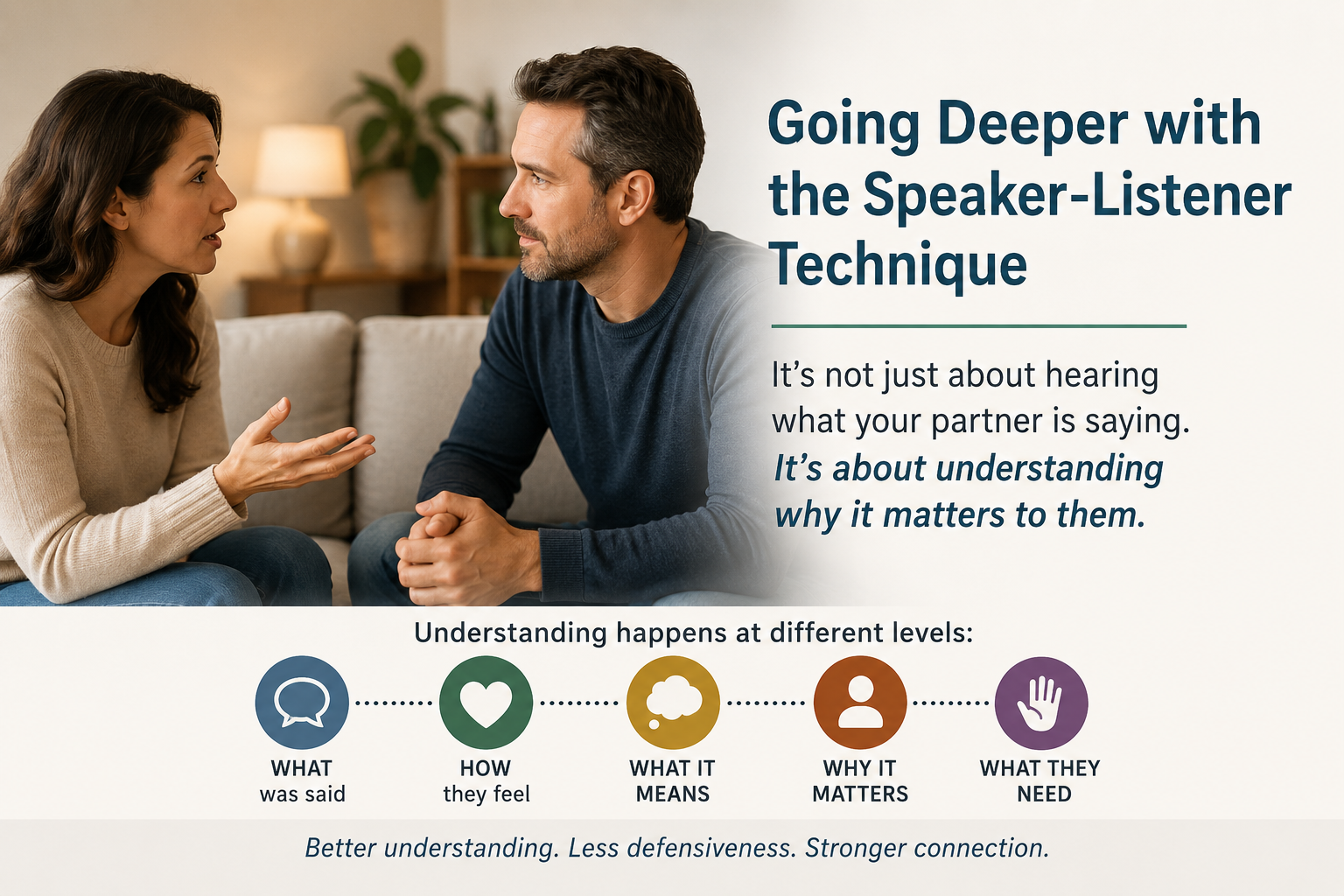
The speaker-listener technique can help couples move beyond repeating the same arguments. By slowing down and listening for the feelings, meaning, and needs behind a partner’s words, couples can begin to understand not just what their partner is saying, but why it matters.

Negativity and Perspective
Negative thinking often begins as a way to protect ourselves from disappointment, rejection, or pain. But a strategy that once helped us cope can eventually narrow our lives and keep us from seeing what is still good.

Pornography Addiction and Recovery for Christian Men
Pornography addiction is often about more than the behavior itself. For Christian men, recovery may involve addressing underlying problems such as loneliness, boredom, and shame, growing in faith, and finding healthier outlets for time and attention.

The False Self: How Narcissism Creates a Mask of Strength
People with NPD appear confident, but underneath is a fragile self protected by a grandiose mask. This post explains why the False Self forms and how it drives the patterns loved ones find so confusing.
Understanding CIPOS: A Specialized EMDR Technique for Staying Safe and Present
CIPOS (Constant Installation of Present Orientation and Safety) is a specialized EMDR technique developed by Jim Knipe to help clients stay grounded while approaching traumatic memories. This post explains why CIPOS is essential for dissociative and complex trauma presentations—and walks through the step-by-step method described in EMDR Toolbox, Chapter 13.

Healthy vs. Unhealthy Narcissism: What’s the Difference?
Healthy narcissism gives us confidence and resilience. Unhealthy narcissism—and especially NPD—creates an alternate reality built on entitlement, superiority, and fragile self-worth. Here’s how to tell the difference.

Understanding the Dynamics of BPD and Their Impact on Loved Ones
This post explores how BPD symptoms like abandonment fear, emotional dysregulation, and externalizing affect relationships, and how partners can respond with clarity, education, and healthy boundaries.